










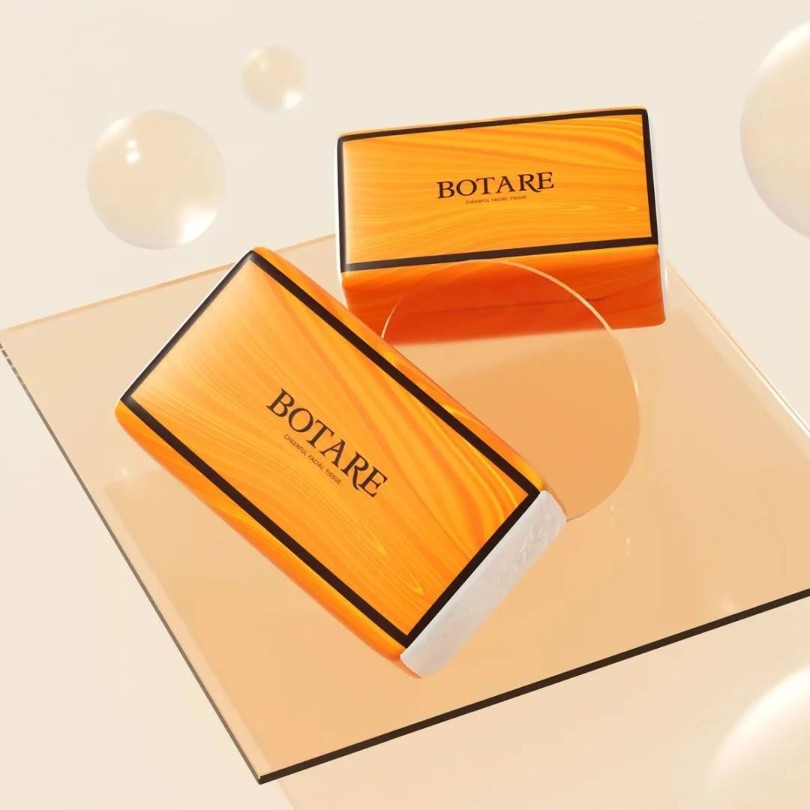
In 2014, the air in Quanzhou, Fujian, carried the woody scent of pulp and paper. Inside a rundown factory in Jinjiang, seven recent graduates from Huaqiao University crowded around a second-hand paper machine, deep in heated debate.
Piles of raw pulp surrounded them, while the whiteboard behind was filled with equations. These post-90s entrepreneurs were trying to crack one industry-wide challenge:
How could the traditional paper business be reinvented through the lens of the internet?
One of the co-founders, Lin Zehong, still remembers that stifling afternoon. “Our research showed that most tissue brands had excessive fluorescent agents and left residue, yet high-end brands charged a 300% markup. With Fujian’s mature paper supply chain, why not create a product that’s both high-quality and affordable?”
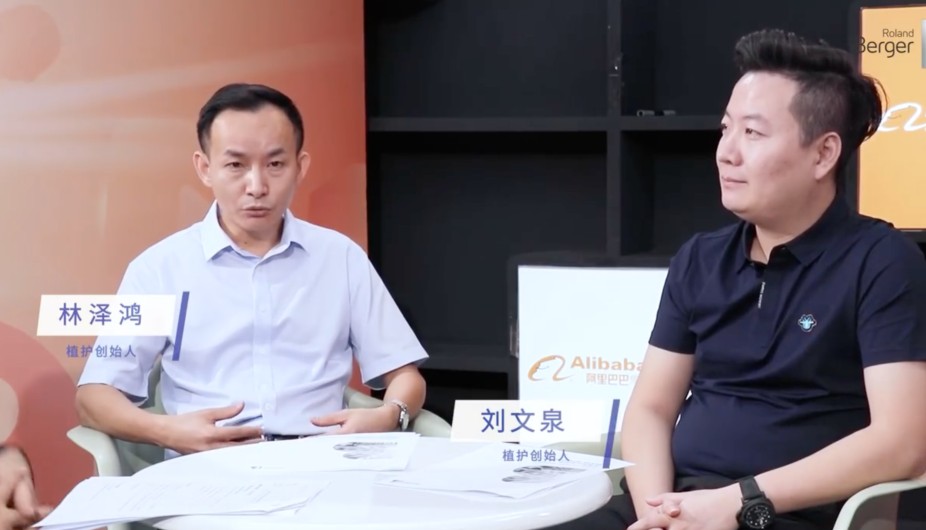
Lin Zehong and Liu Wenquan, co-founders/Source: Online
With only RMB 500,000 in startup capital, the team launched a brand that would later be named Zhihu (PlantGuard). They visited suppliers across the Quanzhou paper belt and eventually convinced a near-bankrupt paper mill to partner with them: the factory provided machinery and technical expertise, while the young team handled product design and marketing.
Their first product, a three-ply embossed tissue named Yuanmu Chunpin (Pure Natural Wood), was priced at just 60% of the leading brand Qingfeng.
But distribution became the critical hurdle: supermarkets required an entry fee of over RMB 200,000, and e-commerce traffic was dominated by brands like Vinda and C&S.
A Turning Point: 2015 Singles' Day
Everything changed in 2015 during the Singles' Day shopping festival. Taking a gamble, the team listed their entire inventory on a newly launched “Brand Clearance” channel on Pinduoduo. They packaged 12 tissue packs in a hanging transparent bag, priced at just RMB 9.9 with free shipping.
This design—later dubbed the “hanging pack”—went viral, selling 800,000 units in a single day and even crashing their server.
“The whole industrial park was piled with packages. We didn’t sleep for seven days and nights. Our fingers bled from taping so many boxes,” Lin recalls.
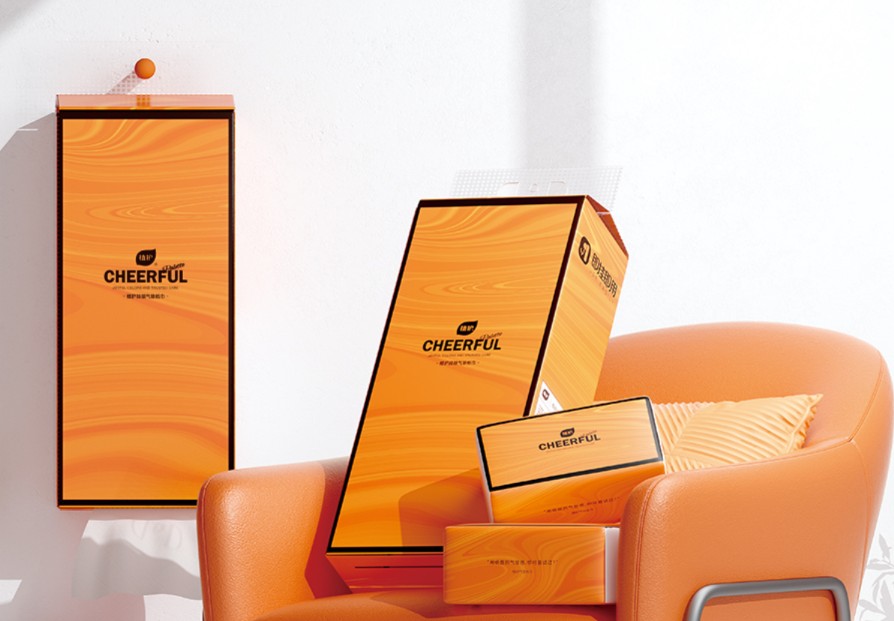
Botare hanging pump/Source: Botare official
Supply Chain Stress Test
Zhihu's first major crisis came in 2017, when demand from Pinduoduo surged to 500,000 orders per day. The partner factory’s paper machines exploded three times due to overuse.
To secure future production, the team began building their own plant in Jiujiang, Jiangxi—but met unexpected resistance. Local technicians opposed automation, fearing machines would replace their jobs.
“We hosted banquets in the workshop for three straight days, drinking and talking with senior workers,” says Wang Lei, Supply Chain Director. “In the end, we agreed to retain 20% of the manual processes so they could pass on their skills.”
This fusion of tradition and innovation led to a unique, flexible production line capable of churning out 500 tons of standard tissue daily via automation, while also preserving handcrafted techniques for premium lines.
Resilience During the Pandemic
In 2019, when the pandemic caused pulp prices to spike by 47%, Zhihu's self-managed warehousing system helped the company stay afloat. They had stockpiled 100,000 tons of low-cost pulp across 30 forward warehouses, cutting costs by 15% compared to competitors.
At the same time, their “Yuesè Orange” (Aromatic Orange) hanging pack redefined the category. Infused with microcapsules of citrus essential oil, the tissues released a fresh scent during use. This product sold out 100,000 units in a minute on Douyin (TikTok China), pushing annual sales past RMB 5 billion.
Going Global: Southeast Asia Expansion
In early 2023, Zhihu’s leadership held a closed-door meeting in Xiamen. The data was compelling: China’s tissue market growth had slowed to 3.2%, while Southeast Asia’s e-commerce was expanding at 28%.
Lin tapped the table. “We’re going to take our hanging pack revolution to Southeast Asia.”
But their ambitions quickly met reality. In Bangkok supermarkets, their flagship product was placed on the bottom shelf, next to local brands selling for just $0.30.
Worse yet, cultural differences posed new challenges. Southeast Asian consumers preferred smaller packs and favored dissolvable toilet rolls over facial tissues.
“We entered the market full of confidence, only to realize even our packaging colors were off—Malaysian shoppers, for example, preferred green tones inspired by Islamic aesthetics,” admits Marketing Director Su Xiaomin.
A Viral Video Breakthrough
An unexpected breakthrough came during Vietnam’s rainy season in 2023. A TikTok video featuring a local influencer using the hanging tissue to wipe a motorcycle seat went viral. As the oil stain vanished and an orange fragrance wafted up, the video amassed 2.3 million views and drove weekly sales past RMB 800,000.
“We realized Southeast Asian consumers don’t need education—they need powerful visual demos,” says Su.
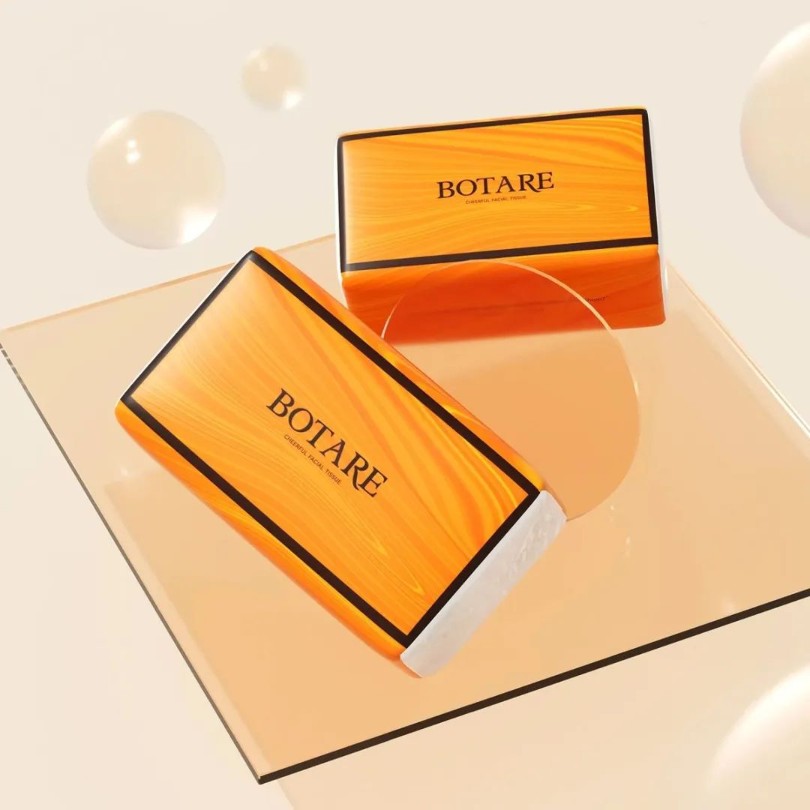
Botare classic products/Source: Online
The "Sea, Land, and Air" Strategy
Zhihu launched an all-out offensive:
-
On TikTok, they built a 500-person influencer network, mandating product-use scenes appear within the first 3 seconds of every video.
-
They partnered with Shopee to localize fulfillment, cutting delivery times from 15 days to just 3.
-
They developed custom packaging for Indonesia’s humid climate and church-friendly mini wet wipes for the Philippines.
During Shopee’s “9.9 Mega Sale” in 2024, Zhihu’s daily sales surged fivefold. In Malaysia, the hanging pack topped its category.
Unexpectedly, an underperforming laundry detergent infused with coconut oil became a hit among Filipino housewives. On TikTok, women exchanged usage tips, pushing repurchase rates to 58%.
Grassroots Innovation and Sustainability
In Jakarta's slums, the team uncovered a deeper insight: residents reused tissue packaging as handbags. This inspired Zhihu’s sustainability campaign.
During Ramadan 2024, they launched the “Golden Loop Program”: users could exchange 10 used packs for a custom scarf. Over 120,000 consumers participated, generating 100 million UGC views.
This cultural insight even fueled domestic innovation. After learning that Thai consumers liked to wrap flowers in tissues, Zhihu launched a “Floral Fragrance” series in China, which quickly went viral on Rednote (Xiaohongshu).
“Going global isn’t just about exporting products—it’s a two-way cultural exchange,” Lin reflected.
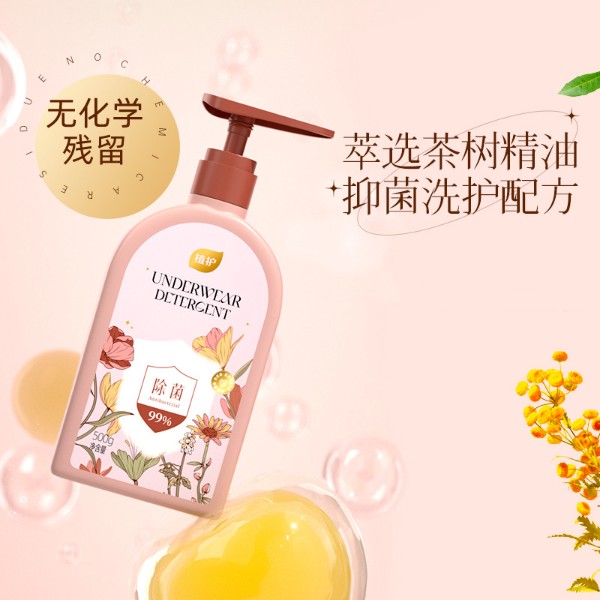
Botare washing products/Source: Online
Looking Ahead: A Tissue Empire Expands
By 2025, Zhihu’s ambition now goes far beyond tissues. In Jiujiang, their factory is developing bamboo fiber sanitary pads, which are 40% more absorbent and biodegradable.
They’ve also partnered with Fujian Agriculture and Forestry University to create a Bamboo Pulp Research Institute, reducing material costs by 32%. In Southeast Asia, they’re exploring banana fiber tissues through joint ventures with local plantations—aiming to break the monopoly of global pulp giants.
“In the next three years, we aim for overseas sales to make up over 40% of our revenue,” Lin said, pointing at a world map.
At this moment, a Zhihu container ship is en route to Chittagong, Bangladesh—home to the world’s largest jute supply. And jute, perhaps, will become the next cornerstone of their tissue empire.
The Takeaway: A Blueprint for Chinese Brands Abroad
Zhihu’s decade-long journey reveals the deeper logic behind China’s global manufacturing shift: Leveraging regional clusters like Fujian’s paper industry to turn cost advantages into innovation; rebuilding usage scenarios instead of simply replicating products; and, most critically, offering not just goods, but stories people want to be part of.
As Lin wrote in an internal memo: “True globalization isn’t about selling Chinese products to the world—it’s about making the world need Chinese solutions.”
When a student startup turns a pack of tissues into a cultural bridge for 1.5 billion people, the global narrative of Chinese brands enters a new chapter.