









It has almost become an industry consensus that the domestic market is more competitive than the overseas market.
But why are there still many people waiting and watching?
——Because it is difficult, it is also difficult to go overseas.
Most of the reasons for the difficulty are that due to market and cultural factors such as religion, customs, and compliance, there is too much uncertainty in the overseas market:
What products do foreigners like?
Which categories will be popular?
What are the unspoken rules in the local market?
These are all unknowns, and merchants are afraid to take this risk.
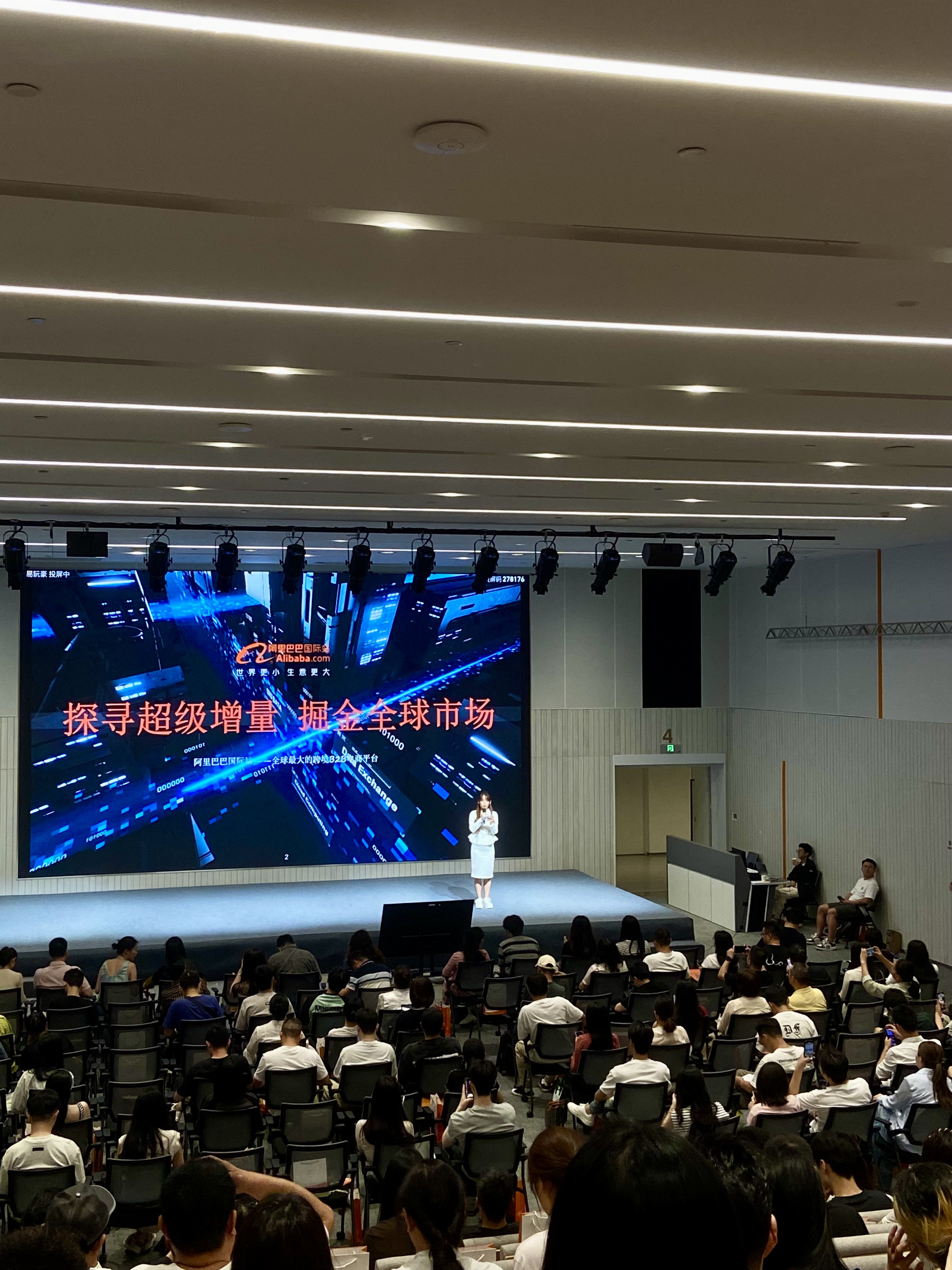
Last Friday, I went to Alibaba headquarters and participated in an event at Alibaba International Station. I saw some opportunities in the category issue. I organized it here and hope it can bring some inspiration to everyone.
What Categories Will Be Popular?
Many newcomers to foreign trade are used to selecting products with domestic thinking, but they often fail to adapt to the local environment.
Several categories were introduced during the event, which are very unfamiliar to Chinese people, but are quite popular in the overseas market - if you are only in the domestic market, you may never come into contact with these categories.
The first category of popular products is Muslim clothing. This is a category with a huge rigid demand market and is easily overlooked by us.

Image source:iStock
First of all, the Muslim population base is large. There are 2 billion people in the world who will celebrate Ramadan, involving 48 countries and regions. Among them, there are 22 Arab countries and 26 non-Arab countries.
These are huge markets for Muslim clothing.
In addition, countries like the United States and India that do not celebrate Ramadan also have a very large market. In 2020, the Muslim population in the United States reached 3.85 million, accounting for more than 1% of its total population.
As the world's largest clothing processing factory, China exports a large number of clothing every year. The huge Muslim clothing market cannot be bypassed by the support of Made in China.
For example, the largest Muslim clothing and supplies processing company is Qinghai Yijia National Clothing Co., Ltd., which exports nearly 20 million US dollars a year, equivalent to RMB 150 million.
In 2024, the Muslim fashion industry grew to 311 billion US dollars. With this huge market share, relying on China's strong supply chain in the clothing industry, Chinese sellers are fully capable of winning a big piece of the pie.
The second category of explosive products, perfume, is also a category that Chinese people don't use much, but foreigners must use.

Image source:iStock
Perfume is not only a necessity for them but also used in many ways.
In different scenarios, they need to spray different types of perfume.
Going to work, camping in the park, and attending a parent-teacher meeting at school may require three different perfumes.
What's more, some people, such as US President Trump, hide their political intentions in perfume and rely on smell to shape group identity.
In the movie "Perfume", the male protagonist is determined to make the most fragrant perfume in the world because of his extraordinary olfactory talent and finally kills people for the body fragrance of the girl.
From this perspective, this relatively unfamiliar perfume category to us is not just a product but actually carries a part of the culture.
Therefore, it is not a short-term hot category, but a rigid demand that is bound to continue to grow.
Tips For High Profits
The event specifically introduced a high-profit method, namely "product customization".
What categories are easy to customize?
First, small accessories, such as earrings, bracelets, rings, etc.;
Second, gift products, such as mobile phone cases, sexy underwear, etc.;
Third, printed packaging products, such as cake packaging, etc.
In the past 2024, products such as crochet tools, laser engraving machines, portable printers, etc. have set off a personalized DIY craze on the Internet.
As the mainstream market for DIY handmade artworks, the United States has considerable demand and scale for customized DIY tools. According to statistics, the total revenue of the handicraft industry in the United States reached 3.2 billion US dollars in 2024.
Take Amazon as an example. A product called a printing machine has become a frequent visitor to the best-selling list.
A flower pattern book stamp for printing machines sold 15,000 pieces in one month during its hot period, with sales exceeding US$330,000, ranking first on the best-selling list of this category.
Currently, many small printing machines on the market are priced at more than US$30, with high unit prices and huge profit margins.
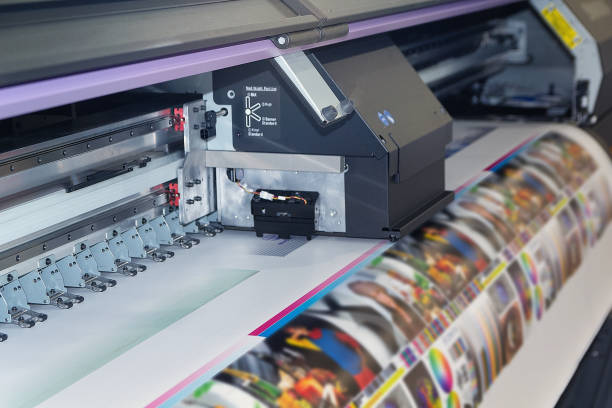
Image source:iStock
Do Foreign Trade Or Do Retail?
The event repeatedly emphasized a core point: "The essential difference between wholesale and retail determines that the underlying logic of the two businesses is completely different."
Platforms such as 1688, Taobao, and Pinduoduo, which are familiar to domestic merchants, are essentially retail logic - traffic is in the hands of the platform, merchants need to constantly purchase exposure, orders are scattered and the repurchase rate is low.
The core of the B2B wholesale model represented by the international station lies in "the sedimentation of customer assets". Once a trusting relationship is established with overseas buyers, orders will be long-term, stable, and large, and even form a virtuous cycle of "customers actively looking for you with needs".
A little-known piece of information is that a stall with an area of less than 10 square meters in Yiwu Trade City can be auctioned at a sky-high price of 13 million yuan, which reflects the core value of wholesale business - customer resources are wealth.
These stall owners may not understand English or use complex digital tools, but they are well aware of one truth: as long as they have a group of stable overseas buyers, they can continue to make profits through economic cycles.
On the other hand, the retail platform seems to have amazing sales, but in fact, it is full of crises.
The traffic of C-end platforms such as Amazon and TikTok is completely subject to algorithmic rules. Once the platform policy is adjusted (such as closing stores and limiting traffic), years of accumulation may be instantly reduced to zero.
What is more fatal is that retail customer data belongs entirely to the platform, and merchants cannot establish direct contact with end consumers. The repurchase rate depends on repeated advertising, and the cost remains high.
A Fujian seller shared that he connected with a Brazilian customer, and the initial order was only US$5,000. However, as the customer expanded in the local market, the order volume doubled year by year, and now the annual purchase amount of a single customer has exceeded US$2 million.
This "snowball effect" is the core advantage of the B2B model.
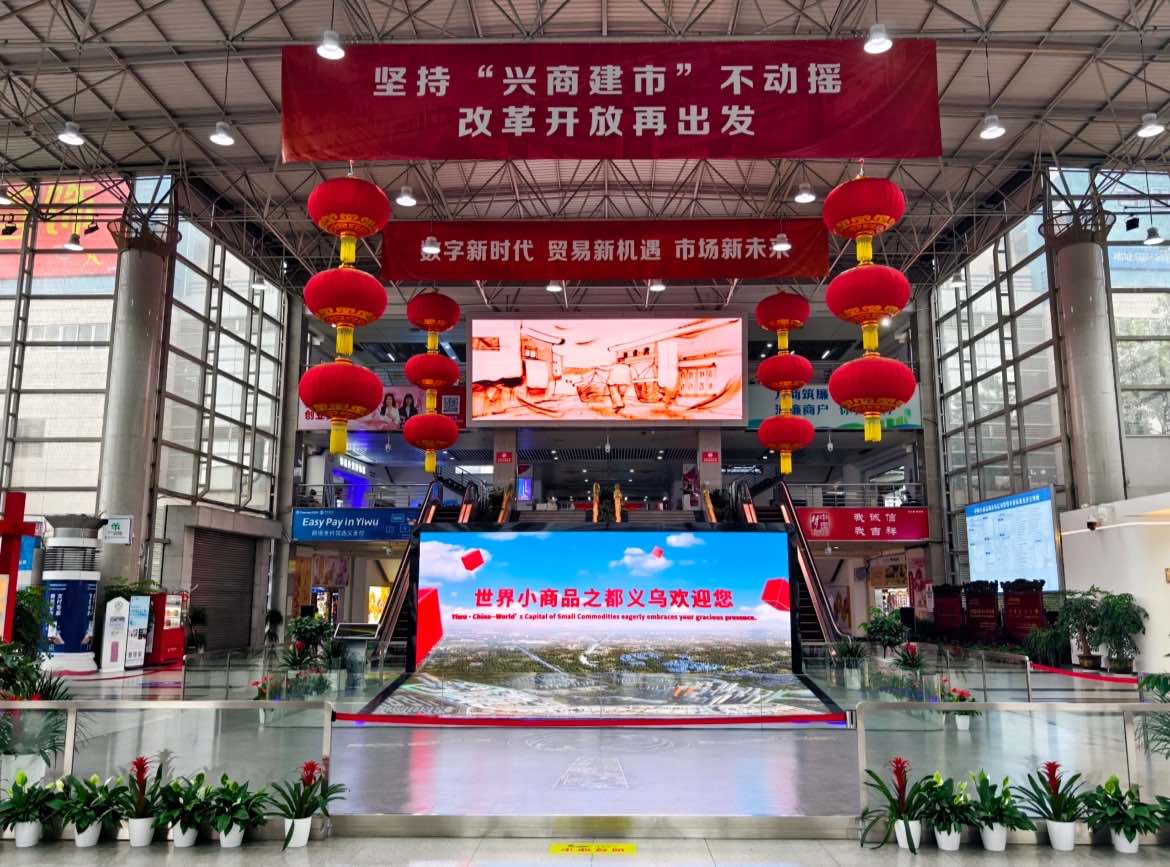
Image source: Xiaohongshu
There is a vivid metaphor in the foreign trade industry: domestic e-commerce is a 100-meter race, relying on hot products to sprint; foreign trade is a marathon, relying on endurance to win the future.
This metaphor is not without reason - when platform rules become more transparent when AI tools greatly reduce the operating threshold, the real competition has returned to the essence of business: when you can create irreplaceable value for customers, you can gain a firm foothold in the wave of globalization.

_1751507038923.png)