











In the summer of 2006, there was a scorching heat wave outside Dubai Airport.
Yang Taogang was sent from ZTE headquarters to the Middle East as a technical engineer stationed in the United Arab Emirates. At the age of only 21, he set foot on this land of yellow sand for the first time.
Upon arriving in a foreign land, he quickly discovered cultural differences.
Dubai, the economic and financial center of the Middle East, is indeed extremely wealthy - top luxury cars can be seen everywhere on the streets, high-rise buildings abound, wealthy people pile up, and local tycoons spend money like water, indulging in extravagance.
But contrary to superior economic conditions, there is a rigorous religious system and relatively conservative social customs.
The main belief in Middle Eastern countries is Islam, and the majority of Muslims adhere to its teachings and live a simple and celibate life.
The saying goes that wherever there is oppression, there is demand. It is precisely because of strict religious and cultural constraints that more and more oppressed young people have a strong demand for social entertainment. Men sit around cafes all day long, chatting calmly and leisurely, discussing everything from family affairs and gossip to religious affairs and international politics. They are like Beijing elders talking big.
The locals call this kind of gathering 'Majlis'.
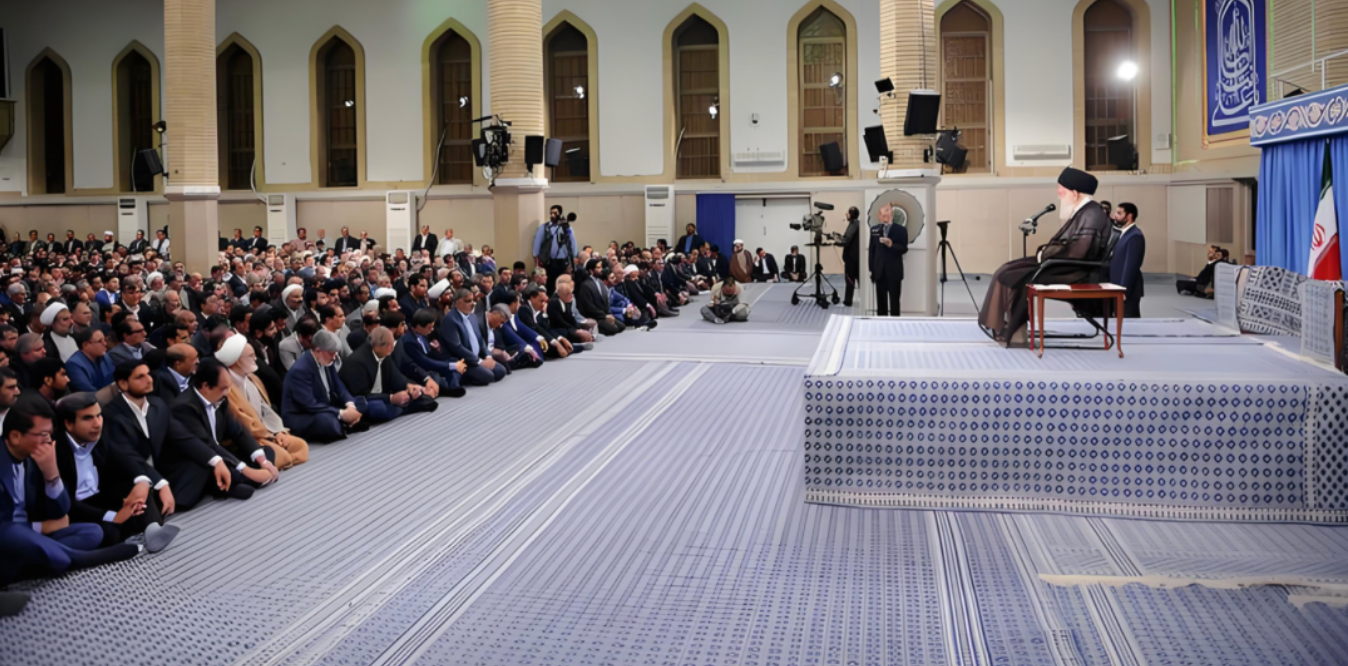
But Yang Tao noticed that on weekday afternoons, the streets were cold and social places were deserted. Everyone was scattered in cars, shops, and even offices, but still chatting with Bluetooth earphones.
He has a vague intuition that online social networking should have a strong market in the Middle East.
At that time, he had not yet considered starting a business. He worked in equipment, wiring, and technical support. He stayed at ZTE for six years, rising from an engineer to the general manager of ZTE's Middle East business. Meanwhile, he also closely monitors the online social market in the Middle East.
At that time, there were many social apps that entered the Middle East market, but there were almost none that could be used.
Social giants such as Facebook, WhatsApp, and Snapchat have entered the Middle East market early on, and their product features are used by users around the world. However, after entering the Middle East, they are unwilling to put aside their pride, study the usage habits of Middle Eastern users, and develop localized features.
He became more and more familiar with the Middle East, and also saw a reality more and more clearly: this land is rich but fragmented, culture is heavy but technology is light, everyone loves to chat, but there is no decent chat tool. The localization gap left by giants may be a turning point for overtaking.
At that time, I had an idea: one day, if we could bring 'Majlis' online, it might be an opportunity
Returning to China and Resignation
In 2012, Yang Tao was transferred back to China and joined the new media transmission under Shenzhou Taiyue.
This is a company that started from "Feixin". At that time, it was incubating a Vietnamese version of Momo, which was Yang Tao's first mobile Internet project.
From this project, he was exposed to multiple professions such as user operations, data analysis, and growth modeling. At that time, he realized that while text and images are popular in the social field, there is also a strong demand for speech, especially in countries and regions with rich oral culture.
Unfortunately, that product was not made in the end. He also realized that the domestic social scene was already a red ocean, and it was too difficult to find a way out.
At the end of 2014, he decided to resign.
At that time, he was 30 years old and didn't have much money, but his direction was clear: entrepreneurship, socializing, and going to the Middle East.
The first version of Yalla was written in the Dubai apartment rented by Yang Tao.
He and two friends pooled less than 2 million yuan to rent an office and register a company in Dubai. They write code and draw prototypes during the day, and distribute flyers outside mosques and university canteens at night, pulling users into the voice room in the app.
At that time, the voice room had just been set up with simple functions: only a microphone, gifts, and chat room. Users can randomly enter and speak with just one button.
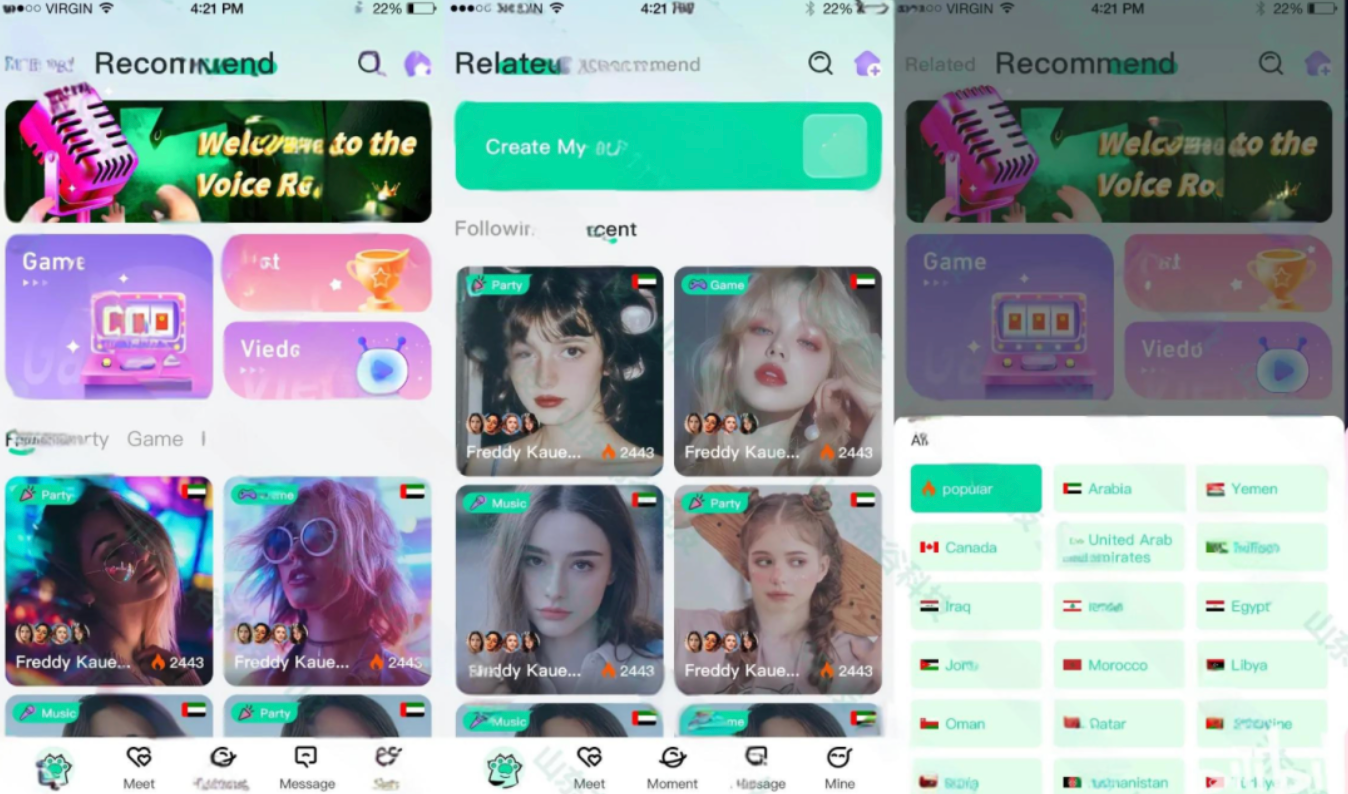
The crude style cannot resist the love of Arab users. Within a few days of Yalla's launch, thousands of people crowded into the voice room, chatting, singing, and reciting poetry all night long. It happened to be during the local Ramadan period.
At that time, Yang Tao and his team stared at the backend data all night long, watching the number of online users continue to grow after 3am. He knew they had done the right thing.
But it's not about technology. What really impresses users is that they have grasped cultural habits - Middle Easterners enjoy voice socializing, improvisation, and audience.
A carefully planned 'localization strategy
Yalla has been frugal from the beginning.
Although video social networking is more popular and presents richer content, Yang Tao did not follow for a simple reason: lack of money.
He calculated that the bandwidth required for voice is only 1/9 of that for video, the server pressure is much lower, and the marginal cost is also lower. For a self funded entrepreneurial team, this is a life and death difference.
So, they chose to only do voice rooms, mini games, and tipping systems.
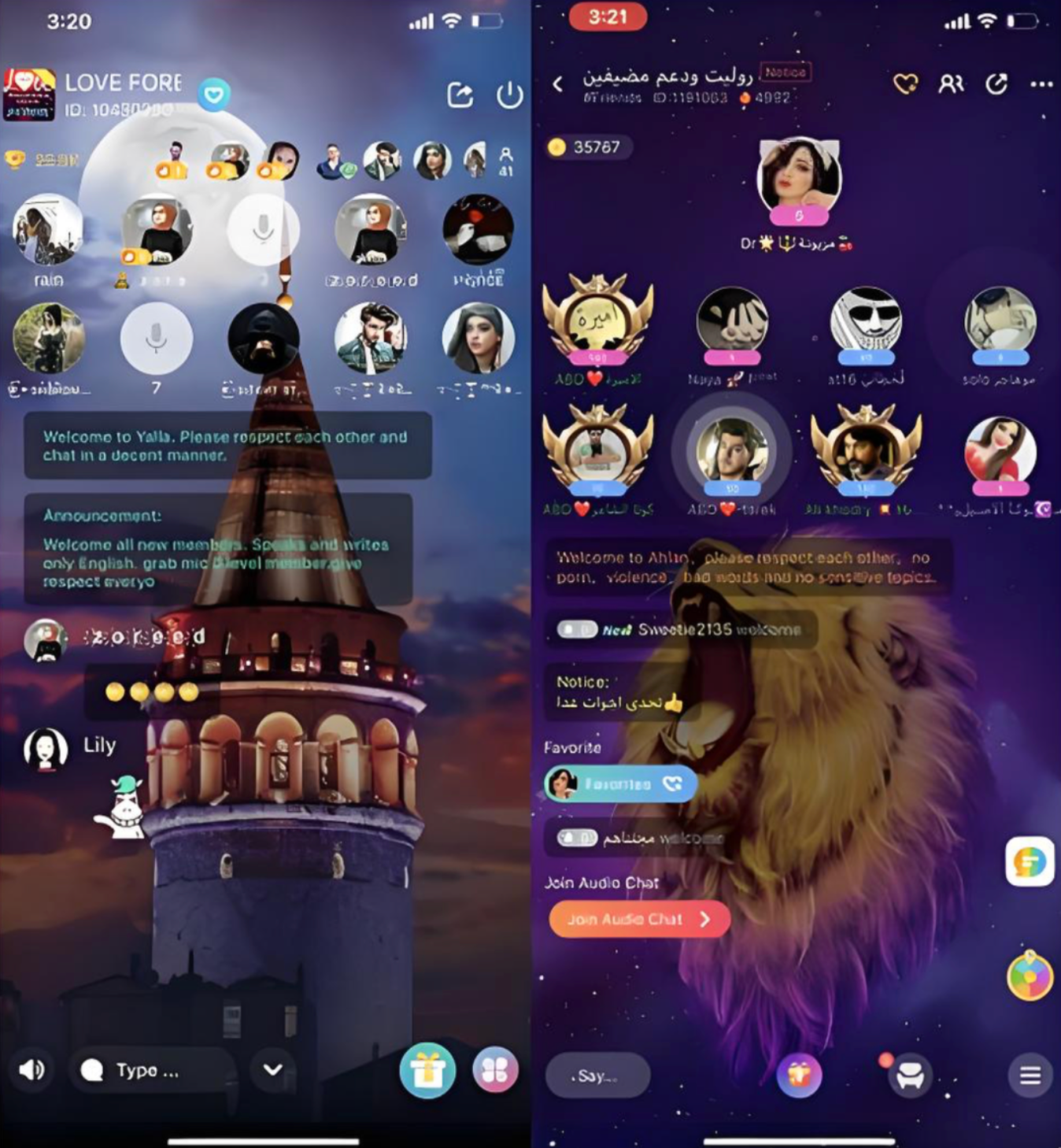
They also don't burn money on advertising, relying solely on natural growth and 'Ramadan viral spread': as long as a local internet celebrity sings in the room, others will spontaneously repost the link, spreading it ten times and ten times a hundred times.
They have no office decoration, no front desk, and even servers were once deployed in a friend's computer room.
Yang Tao keeps a close eye on every expense. He said, "In the early stages of entrepreneurship, it's not about pursuing dreams, it's about whether you can survive the next month
More importantly, Yalla has clearly put forward the slogan of "creating a social app that locals love" from day one, so half of Yalla's team is Arab, and all product designs are extremely localized.
We are not making a Chinese app that can run in the Middle East, but a local app in the Middle East. ”Yang Tao said.
He made the UI design adopt Arabic writing order, launched a special edition skin for Ramadan, and opened a fasting voice room.
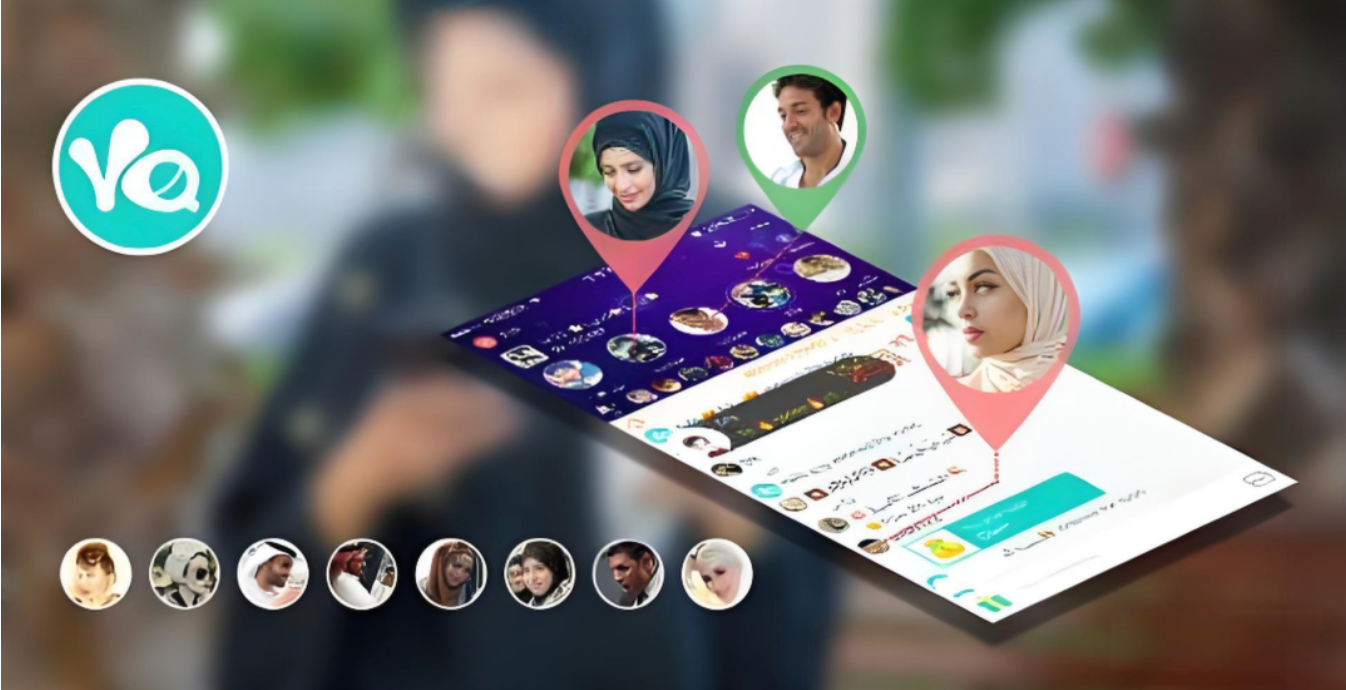
Even more extreme, in order to verify whether a certain operational mechanism conforms to local customs, he had the UAE team conduct user interviews outside the mosque for three consecutive days to listen to the acceptance of voice content by users with religious backgrounds.
They do not pursue the so-called global paradigm, but rather engage in cultural micro innovation. Yalla's concepts of "Palace of Voice," "Ethnic House," and "Tribal List" all originate from Arab culture.
They aim to achieve the ultimate localization of their products, catering to the hearts of Arabs.
Challenge and Reversal
In 2017, Yalla began to take shape and investors came knocking on its door.
The other party hopes that they can replicate their products in India or Indonesia because the market there is larger and the population is larger.
Yang Tao refused. He is aware that Yalla has not yet established a foothold, and there is still too much infrastructure to be repaired in the Middle East, far from reaching the point of expansion.
He said, "I don't want to compete for traffic dividends, I want to take root
In 2018, Yalla made its first profit.
This year, their team had less than 50 people, but their monthly work had already exceeded ten million.
In 2020, Yalla officially went public on NASDAQ, with an annual net profit of over $20 million and a net profit margin of 49%, making it the "number one social app in the Middle East".

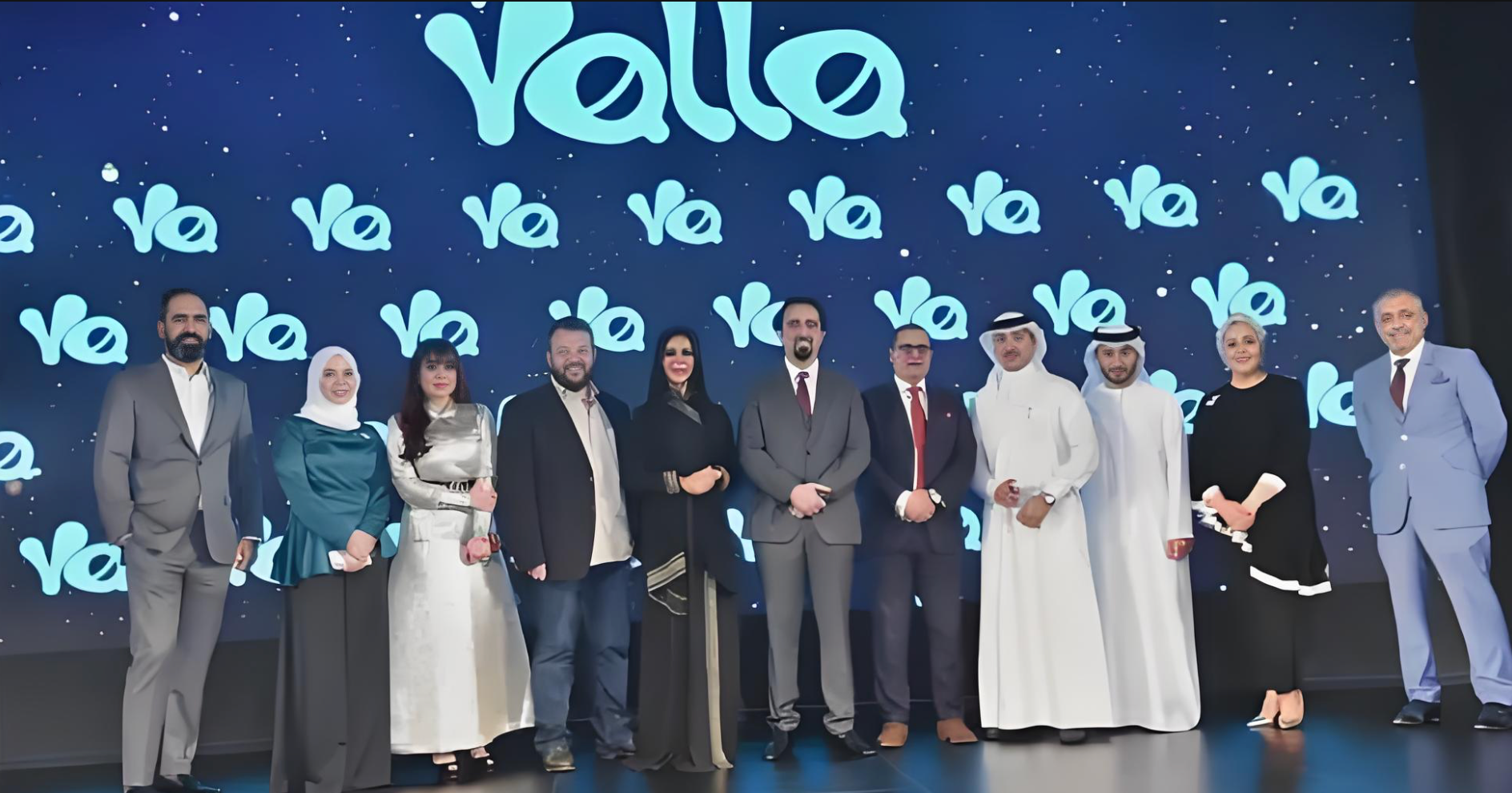
On that day, the Burj Khalifa lit up the lights for them, and the Vice President of the United Arab Emirates sent two consecutive tweets congratulating them. Several politicians and members of the royal family attended its IPO dinner.
Over 100 local media outlets in Dubai are eagerly reporting on it, and their evaluation is that it is a truly 'Middle Eastern company'.
In China, Yalla is known as the "Middle East Little Tencent", but in terms of external promotion, Yalla has always claimed to be a "UAE unicorn listed in the United States" with high emotional intelligence, which is very in line with the "political correctness" of the Middle East.
Nowadays, Yalla's monthly activity has exceeded 30 million, and its business has expanded to North Africa, West Asia, and South Asia.
They have launched game rooms, celebrity karaoke rooms, AI voice acting shows, and also started to try real-time translation between Arabic and English, preparing to layout in Latin America.
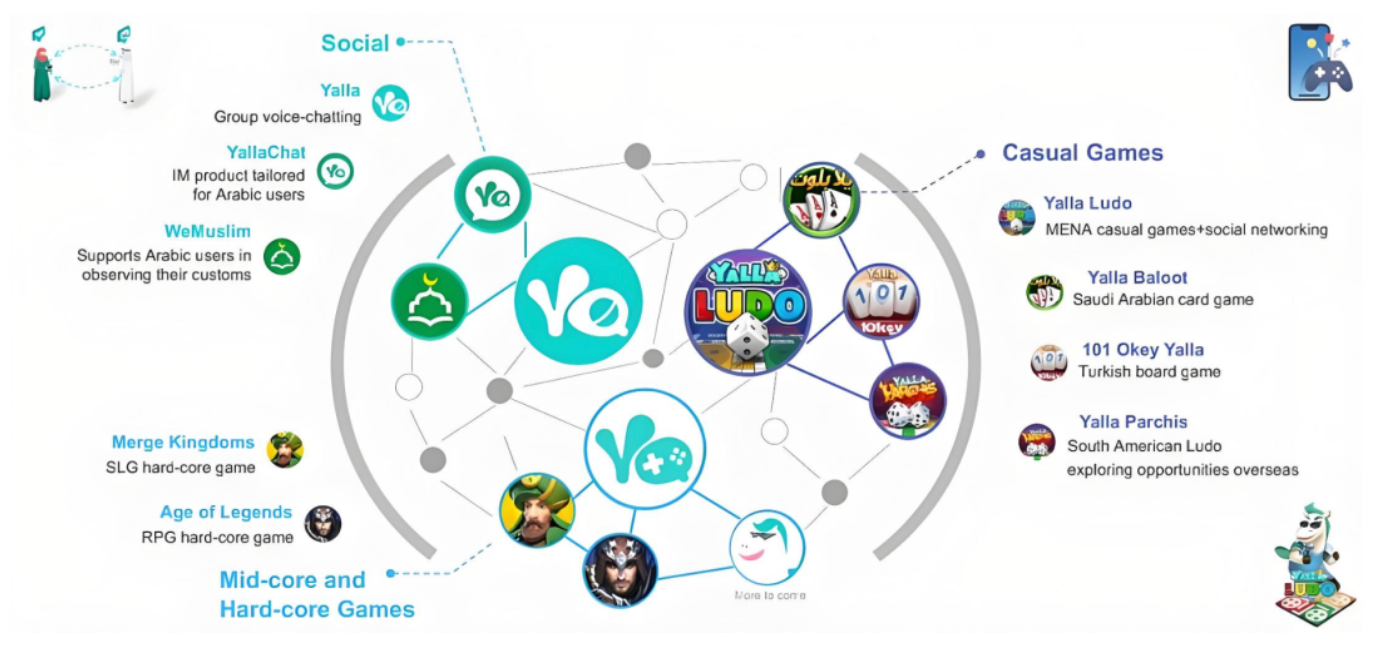
Yang Tao said, "Sound is the most instinctive way of socializing. We just make it warm, bounded, and cultured
He is still calculating and listening to the voices in the room.
On the night of Ramadan, a group of unfamiliar voices still sing, joke, and greet each other in the chat room.
Just like the first Majlis he heard by the desert ten years ago.
_1751507038923.png)