











In the Chinese TV series Country Love, comedian Zhao Benshan famously quipped: "If you’re not capable, just say so. Don’t blame the environment—you're the one ruining it!"
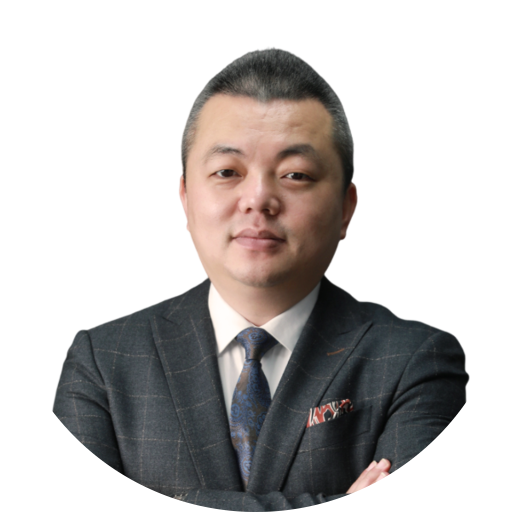
That sentiment echoes in the words of Ruan Jixiang, founder of Jack Sewing Machine, based in Taizhou, Zhejiang: "Enterprises don't die from macroeconomic conditions—they die from their own incompetence."
Ruan has earned the right to say that. In an era when sewing machines are seen by many as relics of the past, he transformed a fading trade into a global industry leader. Today, top brands like Lululemon, ZARA, Uniqlo, Mercedes-Benz, BMW, and AVIC International use Jack's machines.
But few know that this multinational started in a tiny workshop in Zhejiang—and Ruan himself started out as a teenage cobbler.
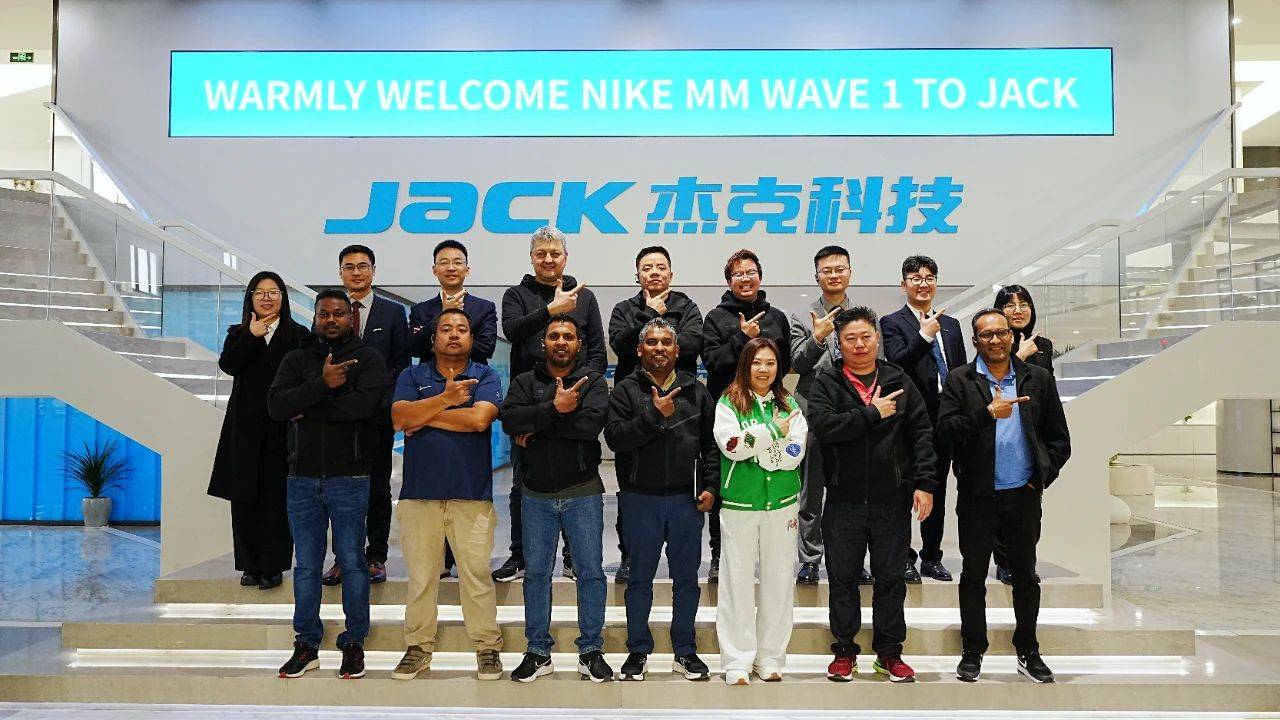
NIKE's top production team visits Jack to explore smart clothing manufacturing/Source: Jack's official
A Legend Born on the Black Soil of the Northeast
Like Zhao Benshan, Ruan Jixiang’s story begins in the frigid expanses of Northeast China.
As the youngest child in his family, Ruan wasn’t particularly spoiled. He dropped out of high school after just half a year when his father bluntly told him, “Everyone else is making money. You’re still wasting it on school.”
At 16, Ruan left home and followed his older brothers 2,500 kilometers north to the forests of Changbai Mountain and the Lesser Khingan Range, regions populated by state forestry workers who earned meager wages but boosted their income by selling mountain goods like ginseng and black fungus.

The snowy Changbai Mountain area/Source: Online
The brothers discovered that these forest workers often wore out their boots.
Sensing an opportunity, they began offering shoe repair services—door-to-door, no less. Rather than waiting for customers, they hiked from cabin to cabin, carrying supplies on bamboo poles through treacherous terrain, facing mud, cliffs, and wild animals.
Accommodations were nonexistent. In exchange for repairs, they bartered for food and shelter. But the hardships took their toll: poor diet and stress left Ruan with chronic stomach issues. And in the unforgiving winters, where temperatures dropped to -40°C, he sometimes had to burrow into haystacks for shelter. One night, a wild dog mistook him for a corpse and dragged him out of his hiding spot.
Despite the brutal conditions, the three brothers earned up to 2,000 RMB a month—a fortune in the early days of China’s reform era. Within two years, they had saved over 20,000 RMB and became what locals called “ten-thousand-yuan households,” a coveted status back then.
But Ruan knew such a life held no long-term future. In 1988, he returned to Zhejiang—armed with resilience, grit, and hard-won experience.
From Zero to Millionaire
Back in Zhejiang, Ruan tried his hand at selling cosmetics and lighters—both failed ventures. But that same year, he found his footing when he began working with his older brother to distribute sewing machines.
After a year of learning everything from technical know-how to management and sales, he struck out on his own. His parents, wary of business disputes, encouraged the three brothers to split up. At just 19, Ruan took his share—20,000 RMB—and headed to Yiwu.
He was promptly swindled out of 15,000.
The money was meant to be his wedding fund. Devastated, his family pleaded with him to stop. But Ruan remained undeterred. “We’ll make it back,” he told them, showing his business plan.
Against all odds, the small shop he and his wife opened began to thrive. Following the liberalization policies of 1992, sewing machine demand exploded as garment factories mushroomed across China. Ruan seized the opportunity, supplying upgraded machines to manufacturers. He had five shops and a personal fortune in the millions within five years.
Then came a health scare.
One day, Ruan suddenly coughed up a basin of blood. Diagnosed with severe tuberculosis, he spent a year hospitalized. During that time, he mentally mapped out the entire supply chain—from parts to distributors.
In 1995, as his eldest brother struggled with debt, the three brothers reunited and founded Feiqiu Sewing Machine Factory. It was a barebones setup: 10 workers, a 200m² abandoned school building, no capital, no equipment, and no market.
Ironically, Ruan had once sworn never to enter manufacturing, calling it too grueling. But fate had other plans.
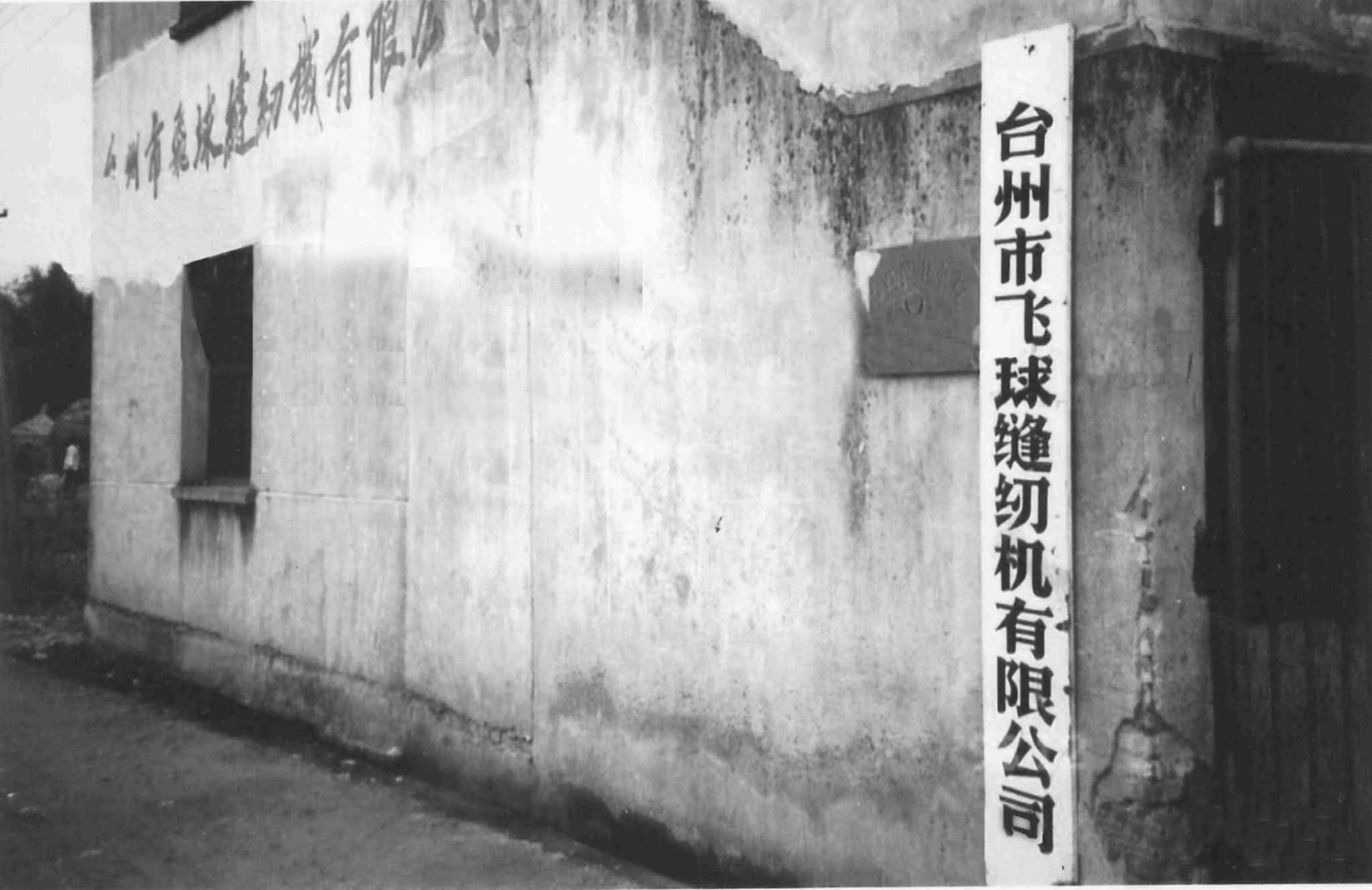
The precious images left when Feiqiu was founded/Source: Jack's official
From Small Workshop to Modern Enterprise
Feiqiu emerged just as China’s sewing equipment industry was experiencing an export boom. While competitors fought over low-end orders in developing markets, Ruan’s team pivoted in 1998, targeting the domestic market with quality over quantity.
They launched a home-use overlock machine, optimized for stability and ease of use. Sales soared to over 1 million units, establishing Feiqiu as a global leader in the segment.
_1746587298123.jpg)
Feiqiu's first small overlock sewing machine metalworking production line/Source: Jack's official
But Ruan wasn’t content.
By the early 2000s, profit margins on home machines had plummeted from 30% to under 10%. In a bold move, Ruan shut down the profitable home machine line and bet everything on industrial machines, where margins remained above 40%.
The shift came at great cost—they walked away from over 10 million RMB in annual profits. But Ruan believed in “trends over advantages.” Three years later, his foresight paid off as the home-use market collapsed.
The Three Strategic Moves: Talent, Transition, and Rebranding
Ruan’s transformation plan involved three major steps:
-
Hiring Top Talent
Facing technical challenges, Ruan invited retired state-owned enterprise engineer Teng Shuchang to join. After months of persuasion, the expert agreed—and within 18 months, his team developed a proprietary double-needle flatbed machine, ending China’s reliance on foreign designs. -
Stepping Down as Chairman
In 2006, Ruan voluntarily resigned as chairman and appointed a professional management team. This was a groundbreaking decision in a region dominated by family-run businesses.
“The bigger a company gets, the more dangerous it is to have a single person calling all the shots,” he explained. “To ensure longevity, you need democratic decision-making.” -
Rebranding
The name “Feiqiu” (Flying Ball) didn’t resonate internationally—it sounded like an English profanity. During a business trip, Ruan’s team was inspired by the film Titanic and renamed the brand Jack. That decision marked the beginning of the company’s globalization.
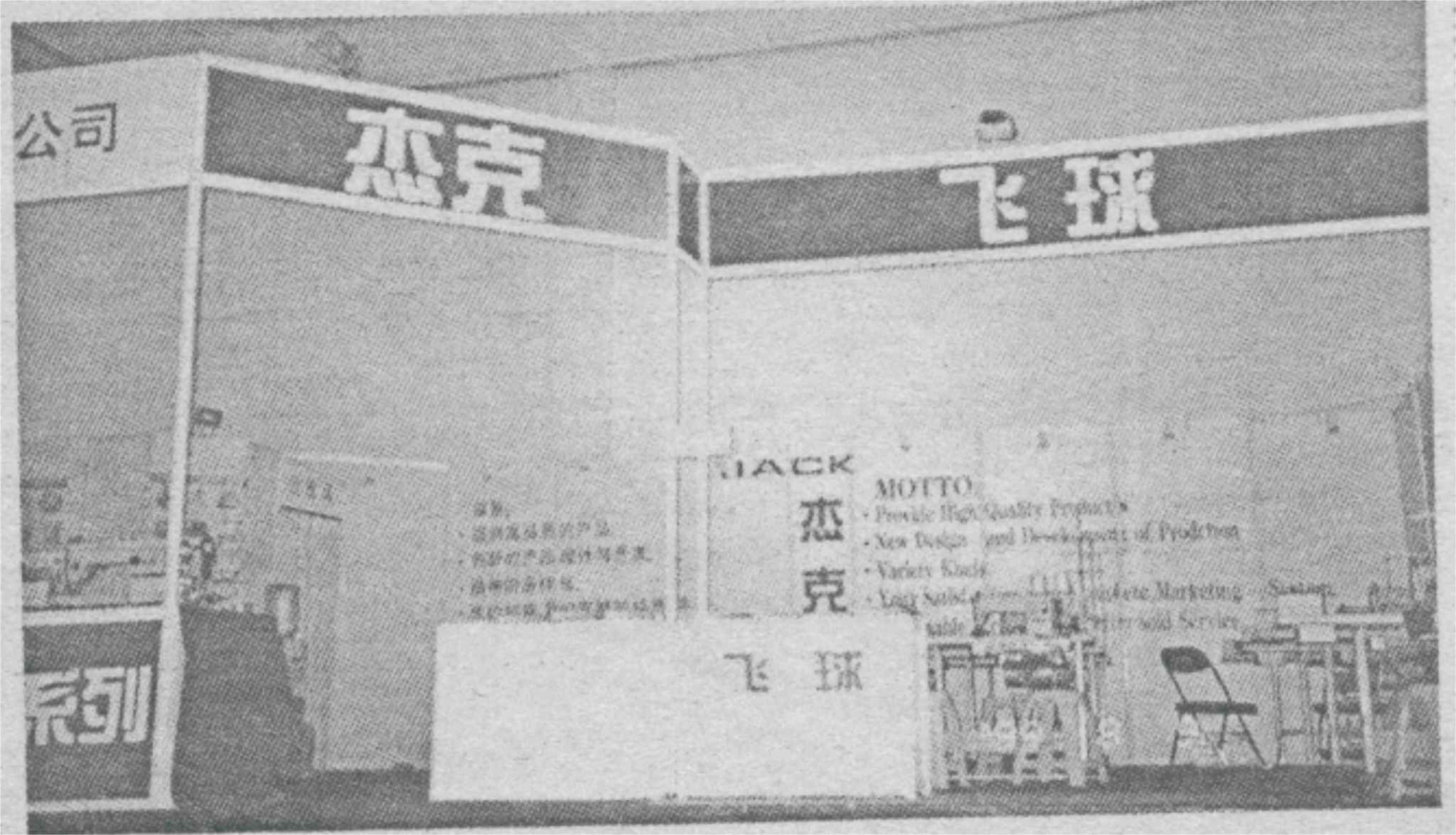
In 2001, Feiqiu was officially renamed Jack/Source: Jack's official
Going Global: The Rise of the Jack Sewing Machine
By 2006, while many Chinese companies chased real estate and finance ventures, Jack remained focused. Economics professor Xu Xiaonian warned Ruan not to diversify. He listened—and narrowly avoided disaster when the 2008 global financial crisis struck.
While peers lost half their revenue, Jack acquired German cutting equipment firms Topcut-Bullmer and Bullmer. The acquisitions made headlines—the first of their kind in China’s sewing equipment sector—and boosted Jack’s global credibility.
_1746587394525.jpg)
In 2009, Jack held an event after acquiring Tuoka and Benma, entering the pre-sewing field/Source: Jack's official
In 2010, Jack’s revenue jumped 160%, making it the world’s top sewing equipment brand for the first time.
Subsequent acquisitions of Italian denim equipment leaders MAICA and VI.BE.In 2017 and 2018 helped Jack pivoted toward intelligent manufacturing and cemented its international standing.
Global Impact
As of 2024, Jack maintains over 20 overseas offices—in India, Egypt, Poland, and more. Its sales network spans 150 countries, with a presence in over 60 countries along the Belt and Road Initiative.
“Today, one in every three sewing machines sold worldwide is made by us,” Ruan proudly states.
Jack now sells 500,000 machines annually and holds a commanding 45% share of the global market.
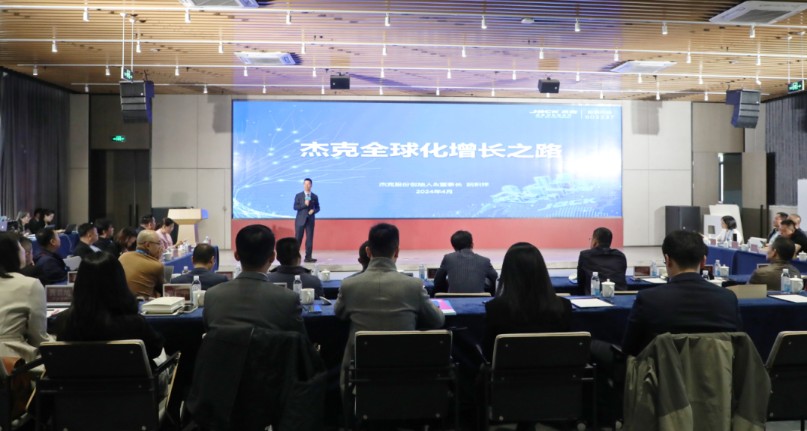
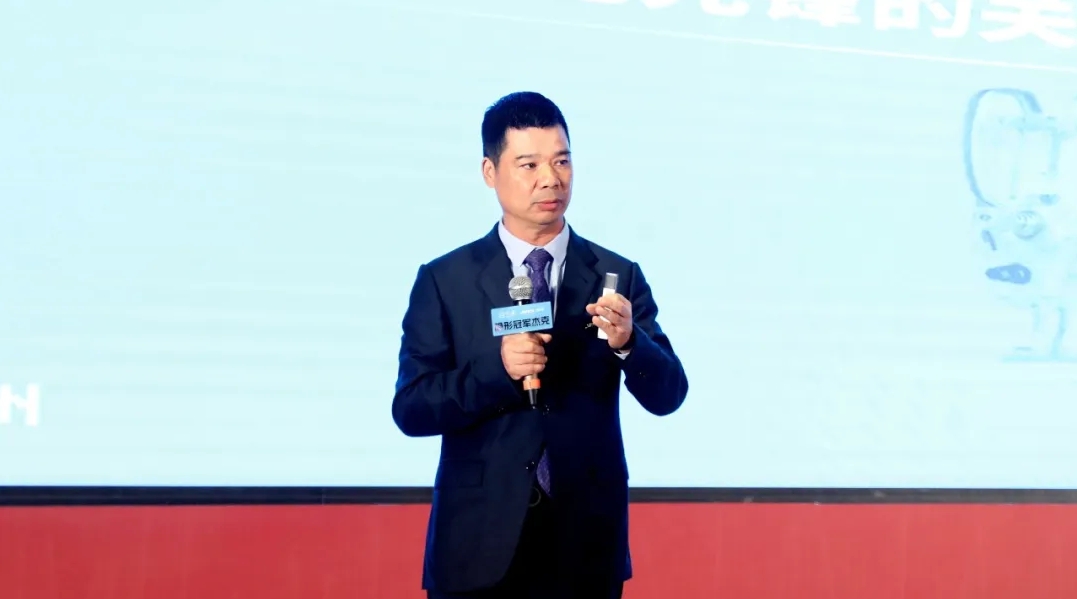
Jack founder Ruan Jixiang shared Jack's path to global growth/Source: Online
The Secret to Success: Knowing What to Change—and What Not To
From a teenage cobbler sleeping in haystacks to the head of a global enterprise, Ruan’s journey is nothing short of remarkable.
His philosophy? A dialectic between change and constancy. He embraces differentiation, refusing to follow the herd.
As he once said, “When everyone rushes into something, there’s usually no good outcome. Find a different path—and stick to it.”
Would you like me to summarize this into a shorter blog version for international readers?

_1751507038923.png)